Institute for Indigenous Studies (IIS)
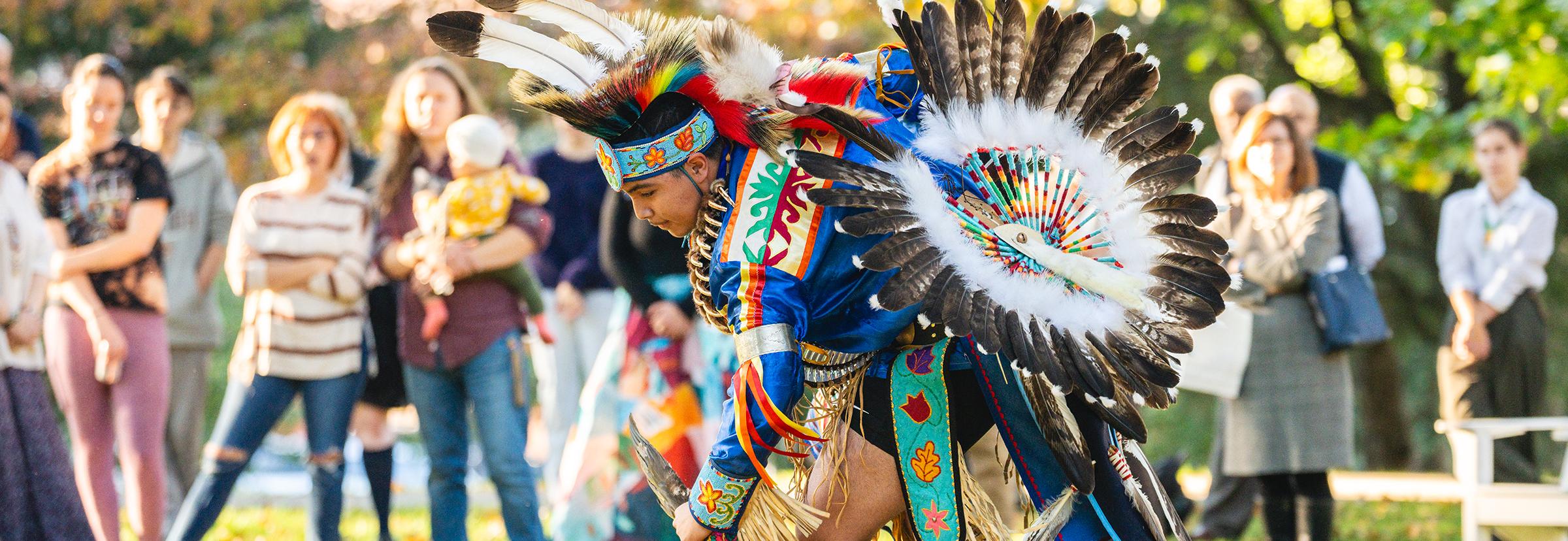
The Institute for Indigenous Studies (IIS) partners and collaborates with Indigenous peoples, nations, communities, and organizations to improve the physical, mental, emotional, and spiritual well-being of Indigenous peoples throughout the Western Hemisphere. Researchers work with Indigenous peoples, nations, communities, and organizations to identify and address the current health and education needs of Indigenous peoples using a multi-level socio-ecological framework and partners with tribal and community organizations, colleges, universities, and other academic institutions to develop culturally appropriate research methodologies and frameworks that can be used to address the health and education needs of Indigenous peoples.
The IIS is located in the College of Health Brodhead, 524 Brodhead Avenue in Bethlehem, PA.
Research and Community Outreach Areas
The Institute’s mission is to improve the physical, mental, emotional, and spiritual well-being of Indigenous peoples throughout the Western Hemisphere:
- Prevention and treatment of tobacco addiction
- Mental health and addiction
- Environment and health
- Obesity, weight loss, and diabetes
- Maternal-child health
- Youth suicide prevention
- Infant and child speech and language acquisition
- Reservation youth college prep
- COVID-19
- Contemporary Indigenous identity
- Grant writing and research training programs for Native community members
- Cultural education programs for non-Natives
Funding
Institute for Indigenous Studies research is currently funded by the American Cancer Society, the National Institute for Drug Abuse, the National Science Foundation, the Office of Research, the Patient-Centered Outcomes Research Institute, and Graduate Studies at Lehigh University, and the Robert Wood Johnson Foundation.
IIS research has previously been funded by the American Lung Association, Environmental Protection Agency, the Healthcare Foundation of Greater Kansas City, the Kansas City Arts Foundation, the National Cancer Institute, the National Endowment for the Humanities, the National Institute on Minority Health and Health Disparities, the Notah Begay III Foundation, the Prairie Band Potawatomi Nation, and the Shakopee Mdewakanton Sioux Community.
Faculty and Research Scientists
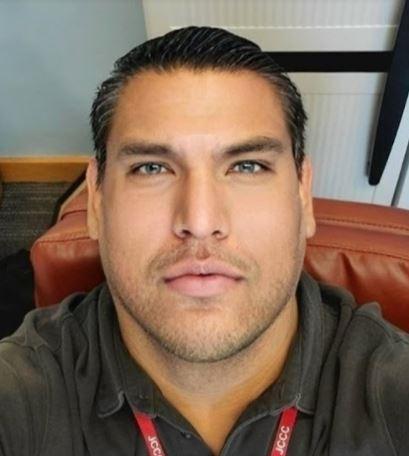
Justin Begaye, MSW, MPA
Research Scientist 2
Tribal Affiliation: Navajo

Won Choi, PhD, MPH
Professor, Department of Population Health; Associate Dean, Research & Graduate Studies

Christine Makosky Daley, PhD, MA, SM
Professor, Department of Biostatistics & Health Data Science
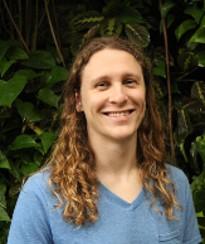
Ryan Goeckner, MA, PhD
Senior Research Scientist
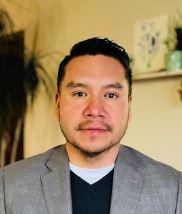
Jason Hale, MA
Senior Research Scientist
Tribal Affiliation: Prairie Band Potawatomi

Joseph Pacheco, PhD, MPH
Assistant Professor, Department of Community & Global Health; Affiliation: Quechua/Cherokee
Director, Institute for Indigenous Studies (IIS)
Affiliated Faculty and Staff
- Ho’o Hee (Kānaka Maoli), Department of Art, Architecture, and Design
- John Hughes, Department of Biostatistics & Health Data Science
- Sara Kangas, Department of Education and Human Services, Special Education Program
- Michelle LeMaster, Department of History
- Patricia Manz, Department of Education and Human Services, School Psychology
- Jessecae Marsh, Department of Psychology
- Tom McAndrew, Department of Biostatistics & Health Data Science
- Holona Ochs (Cherokee Nation), Department of Political Science