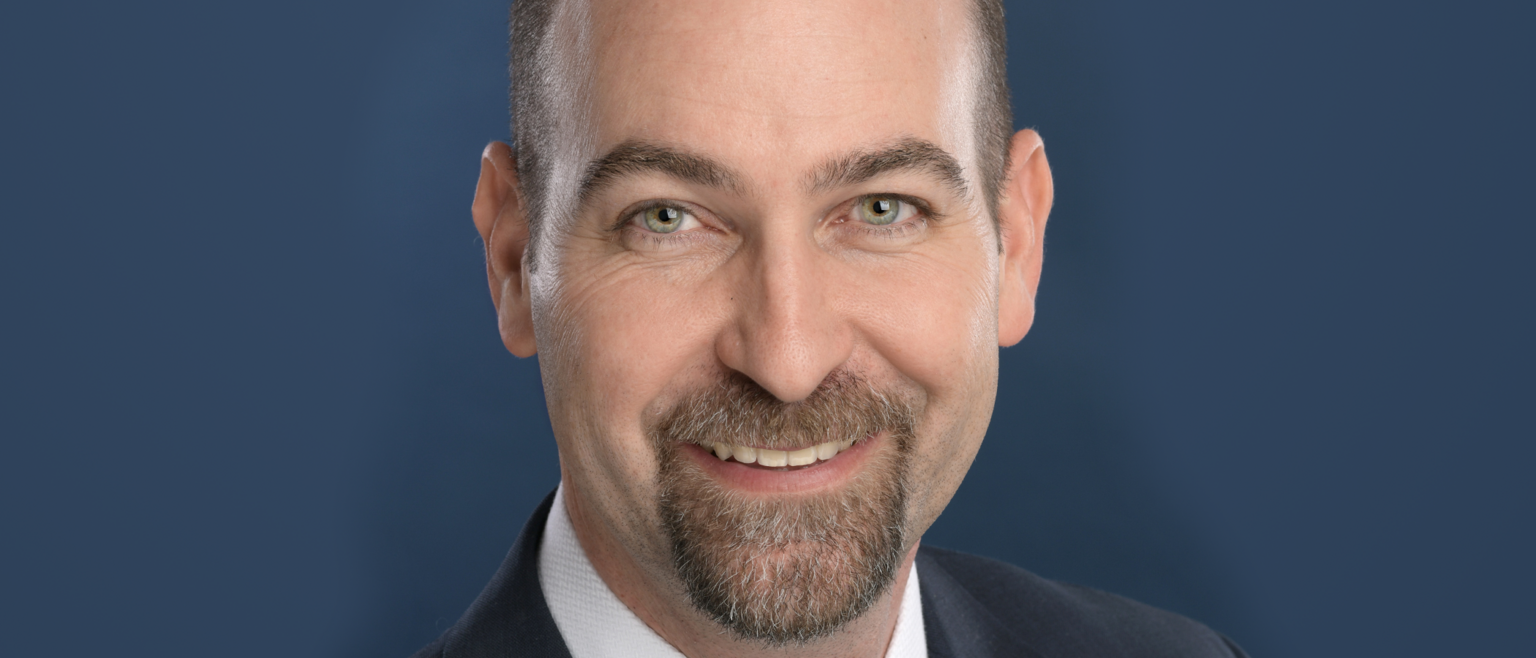
 A year-long research partnership between the College of Health (COH) and BAYADA Home Health Care, a leading provider of clinical care support services at home for children and adults, gave doctoral student E.J. Rovella (shown above) the opportunity to examine a new model of intensive pediatric home care. Under the mentorship of Michael Gusmano, professor of health policy and the inaugural Iacocca Chair, Rovella has been exploring whether pediatric patients with complex medical conditions achieve better health outcomes with more intensive home health services rather than hospitalization.
Exploring Value-Based Care and Quality Outcomes
With expertise in health care finance and quality, Rovella is the first author in the final report and is incorporating some of the findings into his dissertation, which he plans to defend in April. His dissertation explores value-based payments and how health care providers are paid for quality outcomes rather than for the mere act of providing a service.
“The efforts at BAYADA are consistent with experiments by organizations throughout the U.S. health care system that are designed to link payment to the quality of care,” he said. “How can we pay health care providers in a way that generates better results for patients, rather than just paying for procedures and care that may not lead to good outcomes?”
High-Impact Research and Mentorship at the College of Health
Rovella appreciates the ongoing support from Michael Gusmano and other faculty members on his research, as well as the confidence that Gusmano had in him to manage many aspects of the BAYADA project. He noted that Gusmano has a broad view on the health care environment and a great deal of global health policy experience, complementing his own expertise in U.S. health care. “He brings an understanding of how health care systems operate in different countries. He is a wealth of knowledge,” Rovella said.
According to Gusmano, “E.J. is able to combine a great deal of practical knowledge about how health care organizations in the U.S. function, with an emerging knowledge of the theoretical and academic work in the fields of health policy and health services research. This is a powerful combination that helps him apply theory in ways that generate workable solutions for health care organizations and systems.”
Rovella also noted the high quality of the faculty at the College of Health. He especially appreciates their desire to strike a balance between research and teaching, as well as all the opportunities for interdisciplinary collaboration throughout the university.
“Lehigh offers tremendous opportunities for undergraduate and graduate students to be involved in research projects,” he said. “I’ve been able to engage undergraduates in research. I never had that opportunity when I went through school, even though I attended a research institution. The fact that Lehigh provides so many opportunities for student research has been fantastic for me and the other students in the College of Health.”
Lehigh was recently recognized as an R1 research institution, signifying the university has achieved the highest level of research activity in the Carnegie Classification of Institutions of Higher Education.
BAYADA’s HICU® Program: A New Model for Medically Fragile Children
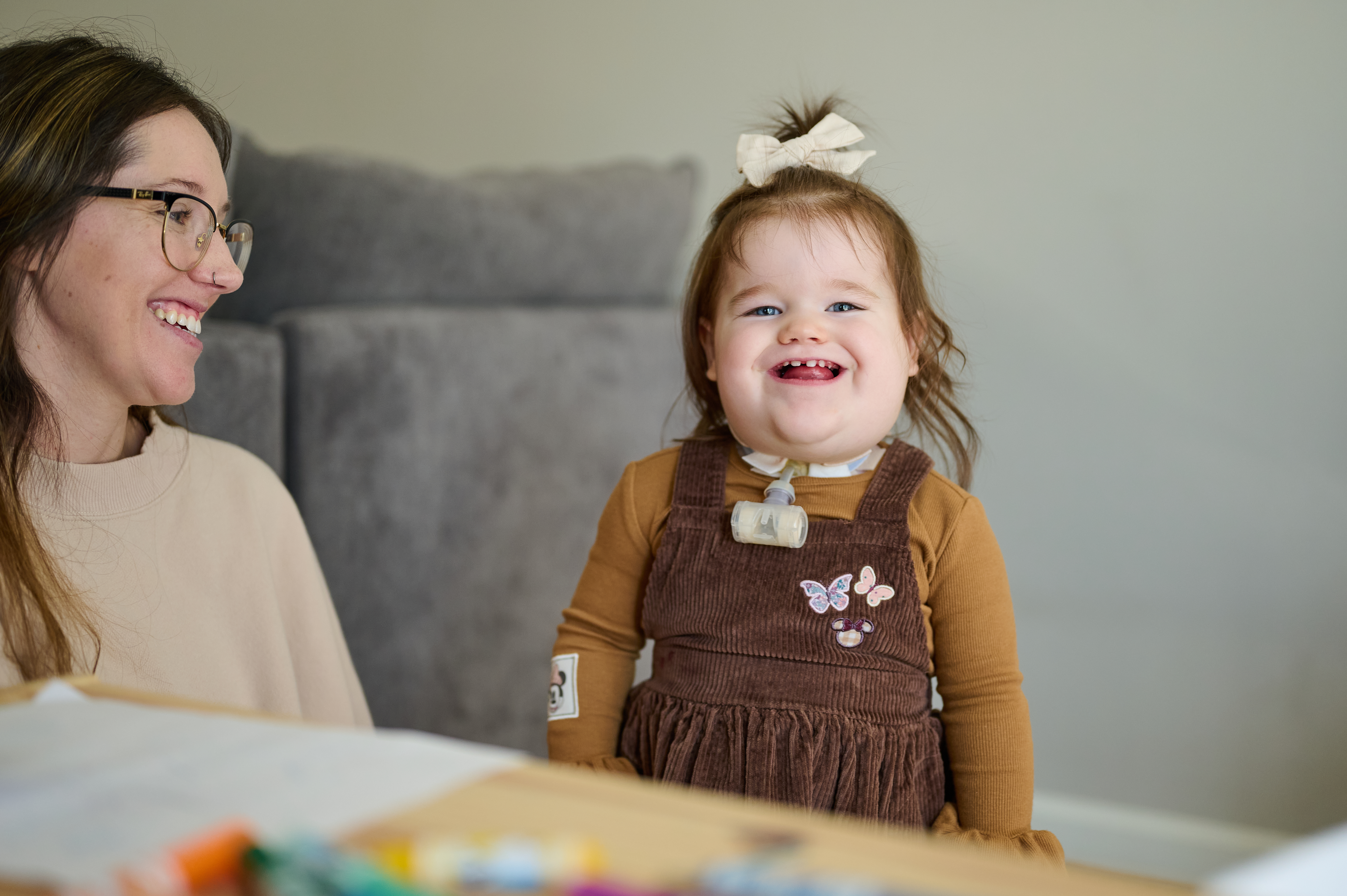 That combination of mentorship, scholarship and research came together in Rovella’s study with BAYADA Home Health Care. Through the research, he applied his expertise in administrative health care finance, quality and policy to a new model designed to improve outcomes for some of the most medically vulnerable children while also addressing rising health care costs.
The research findings were clear. In January, BAYADA announced the launch of its Home Intensive Care Unit (HICU®) program for infants and children with complex medical needs. BAYADA noted that following the successful pilot of this unique delivery model, the program Rovella evaluated, HICU® services are now available in Delaware, New York and Pennsylvania, with growing interest to expand nationwide.
What the Study Reveals About Value-Based Contracting
This research project highlights that value-based contracting, or a health care payment model where providers are paid based on patient outcomes rather than the volume of services delivered, is most effective when it focuses on organizational transformation rather than individual clinical incentives. Rovella’s study of BAYADA’s HICU program demonstrates how systematic changes in care delivery and training lead to superior outcomes for medically fragile children.
The study found that value-based contracting encourages health care organizations to change how they are structured and how they deliver care by developing stronger coordination among multidisciplinary care teams and the standardization of care protocols. It also showed that value-based payments can encourage organizations to invest in health information technology, performance-monitoring systems and continuous quality improvement (CQI) protocols; and that success is tied to rigorous staff training. In other work related to his dissertation, Rovella conducted a narrative literature review that supports these findings.
Centering Families: Redefining Success Beyond Traditional Metrics
This past summer, Rovella conducted in-depth interviews with BAYADA management and nurses about the benefits of the HICU program. He also interviewed family caregivers of the pediatric clients, all mothers. The study argues for broader, patient-centered success indicators. For example, the ability of the caregivers to be able to go back to work, to feel more comfortable with caring for their child, and to have their child heal at home versus the hospital were all identified as benefits of the program that are not always traditionally measured.
“There’s a reduction in the length of stay for the kids being in the hospital, and there’s reduced overall costs,” Rovella shared, describing further metrics of success. “Cost sharing is how the program can be supported financially; it’s less expensive to provide these additional resources at home than it is to keep the child in the hospital. Insurance companies recognize the value of this approach, and the value-based contracts with these companies support the program’s continuation."
“It was BAYADA’s leadership and mission to really address the needs of the children, the families and the hospitals that they partner with,” he added. “How can they free up the capacity in the hospitals, meet that need and get the kids home in a safe way? It’s a transition program. It’s more resources up front, but they build a lot into being able to make it sustainable and train the family.”
Delivering Benefits for Children, Families, Providers and Payers
Generally, these children initially require a higher level of care, with 24/7 in-home care from highly trained critical care nurses. Many of the children require mechanical ventilation. While they are critically ill patients, they are also stable enough to be outside the ICU and do not require ongoing procedures or interventions.
“BAYADA took the lead on negotiating a value-based contract with its payers that helped create a program that improves care for this vulnerable population,” Rovella said. “They have invested in the program, and it is starting to demonstrate real benefits for all stakeholders. Because it aligns the financial interests of the insurance companies with the interests of BAYADA and their clients, the program has been able to expand beyond the pilot phase.”
Conducting research alongside faculty and community partners is a defining feature of a College of Health education at both the undergraduate and the graduate level. For more information about graduate programs, please click here.


